
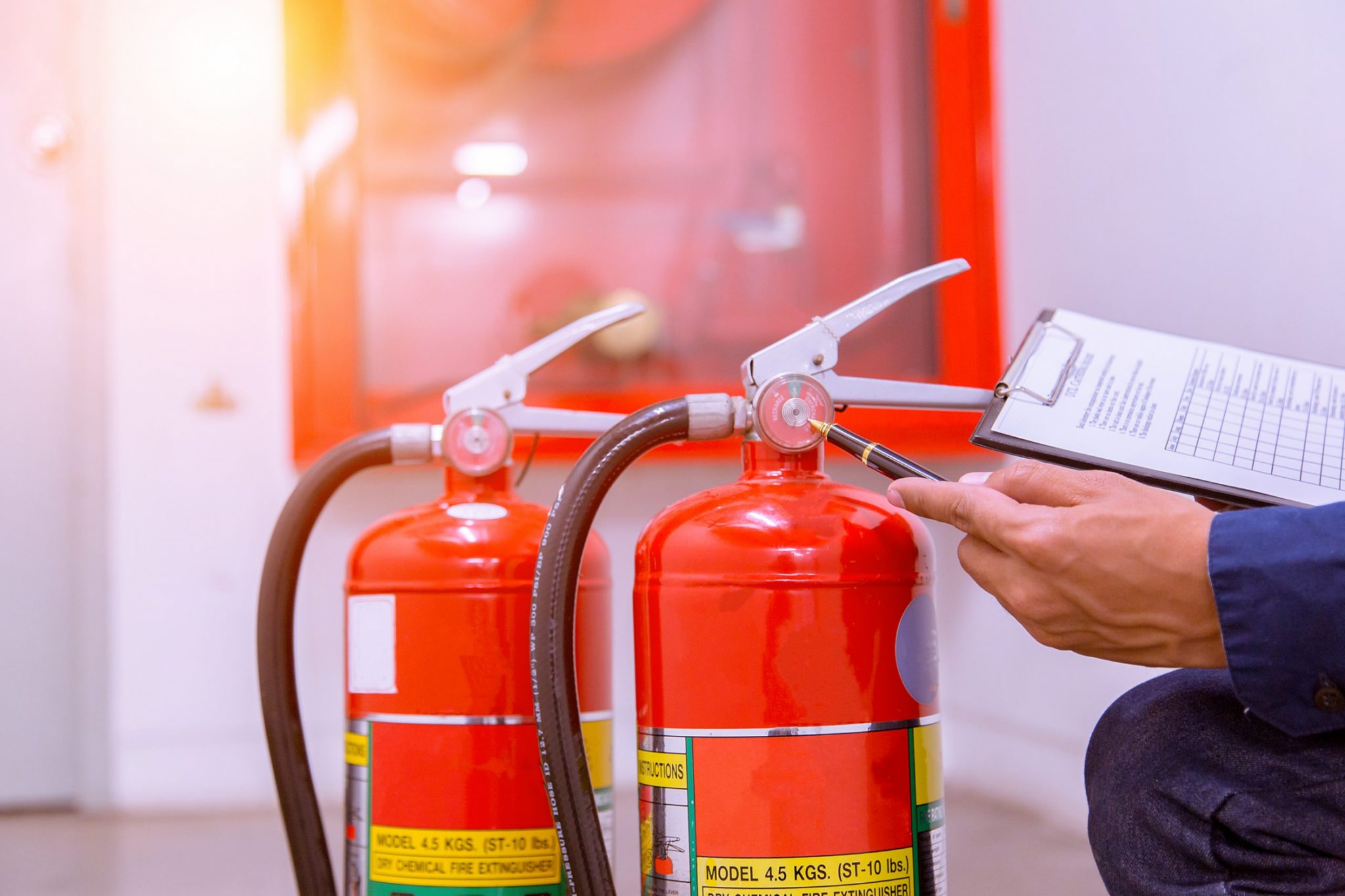
Fire risk assessments are the foundation of fire safety for UK businesses. They are not simply a box-ticking exercise or a document to file away — they are a legal requirement and a practical tool that helps protect people, property, and business continuity.
As regulations continue to be enforced more robustly and expectations around safety standards increase, regular fire risk assessments are more important than ever. In 2026, UK businesses that fail to take this responsibility seriously face not only legal consequences, but also significant reputational and financial risks.
What Is a Fire Risk Assessment?
A fire risk assessment is a structured review of a premises to identify fire hazards, assess who may be at risk, and evaluate whether existing fire safety measures are adequate.
The assessment looks at:
-
Sources of ignition (such as electrical equipment or hot works)
-
Sources of fuel (including storage, waste, and furnishings)
-
Oxygen sources
-
People at risk, particularly vulnerable occupants
-
Existing fire detection, warning, and protection systems
-
Emergency escape routes and signage
-
Fire safety management procedures
The goal is to reduce risk to as low as reasonably practicable and ensure appropriate control measures are in place.
Fire Risk Assessments Are a Legal Requirement in the UK
Under the Regulatory Reform (Fire Safety) Order 2005, almost all non-domestic premises in England and Wales must have a suitable and sufficient fire risk assessment.
This applies to:
-
Offices and workplaces
-
Shops and retail units
-
Factories and warehouses
-
Educational establishments
-
Healthcare premises
-
Hotels and HMOs
-
Communal areas of residential buildings
The law places responsibility on the “Responsible Person”, which may be a business owner, employer, landlord, managing agent, or facilities manager.
Failure to comply can result in enforcement notices, fines, prosecution, or imprisonment in serious cases.
Why Regular Reviews Are Just as Important as the Initial Assessment
One of the most common misconceptions among UK businesses is that a fire risk assessment is a one-off requirement. In reality, it must be reviewed regularly and updated whenever changes occur.
A fire risk assessment should be reviewed:
-
Annually (as best practice)
-
After building alterations or refurbishments
-
When the use of the building changes
-
If occupancy levels increase
-
Following changes to work processes or equipment
-
After a fire incident or near miss
Buildings are dynamic environments. What was safe two years ago may no longer be compliant today.
Fire Safety Legislation Is Being Enforced More Rigorously
In recent years, fire authorities across the UK have increased inspections and enforcement activity, particularly following high-profile incidents and regulatory changes.
Fire risk assessments are often the first document requested during an inspection. Inadequate, outdated, or generic assessments can quickly raise red flags.
A professionally completed and regularly reviewed assessment demonstrates that a business takes its legal responsibilities seriously and is actively managing fire risk.
The Link Between Fire Risk Assessments and Other Fire Safety Measures
Fire risk assessments inform all other fire safety decisions, including:
-
Fire alarm system categories and coverage
-
Emergency lighting requirements
-
Fire extinguisher selection and placement
-
Fire door inspection schedules
-
Staff fire safety training
-
Evacuation procedures and drills
Without a current and accurate assessment, businesses risk installing inappropriate systems or overlooking critical safety measures.
A competent assessor ensures that recommendations are proportionate, relevant, and aligned with current British Standards and guidance.
Who Should Carry Out a Fire Risk Assessment?
While small, low-risk premises may be assessed internally, many UK businesses choose to appoint a competent external assessor.
A professional fire risk assessor brings:
-
Up-to-date knowledge of legislation and guidance
-
Experience across different building types
-
The ability to identify hidden or overlooked risks
-
Clear, actionable recommendations
-
Proper documentation suitable for enforcement or insurance purposes
Working with a trusted provider such as Artius Fire Protection ensures assessments are thorough, compliant, and tailored to the specific risks of your premises.
The Business Benefits of Regular Fire Risk Assessments
Beyond legal compliance, regular fire risk assessments deliver real business value.
Protecting People
The primary purpose of fire safety is to protect life. Clear escape routes, effective detection, and well-maintained systems reduce the risk of injury or loss of life.
Reducing Downtime
Fires can cause devastating business disruption. Identifying risks early reduces the likelihood of incidents that could halt operations for weeks or months.
Supporting Insurance Requirements
Insurers increasingly expect evidence of regular fire risk assessments. Poor documentation may invalidate claims or increase premiums.
Demonstrating Due Diligence
In the event of an incident, a current fire risk assessment shows that reasonable steps were taken to manage risk — a critical factor in legal proceedings.
Common Fire Risk Assessment Mistakes to Avoid
Many businesses fall short due to:
-
Using generic templates not suited to the premises
-
Failing to act on identified risks
-
Letting assessments become outdated
-
Not recording significant findings properly
-
Assuming responsibility lies with someone else
Fire risk assessments are only effective if they are accurate, relevant, and actively used.
Preparing for 2026 and Beyond
Fire safety expectations continue to evolve, with greater scrutiny on building safety management, competence, and accountability. Regular fire risk assessments are no longer just a compliance exercise — they are a core part of responsible business operation.
By reviewing assessments regularly and acting on professional advice, UK businesses can stay compliant, protect occupants, and reduce exposure to enforcement action.
Final Thoughts
Fire risk assessments are the cornerstone of effective fire safety in the UK. They underpin every fire protection measure within a building and must be treated as a living document, not an administrative afterthought.
Regular reviews ensure risks are identified early, controls remain effective, and legal obligations are met — protecting people, property, and peace of mind.


