
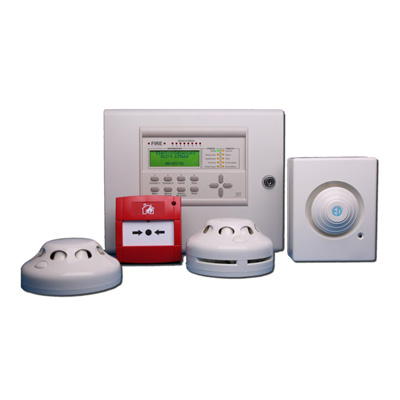
Fire alarm systems play a critical role in protecting lives, property, and businesses across the UK. Whether you manage a commercial premises, residential block, educational facility, or healthcare setting, having the correct fire alarm system installed and maintained is not optional — it is a legal requirement.
This guide explains everything UK property owners and duty holders need to know about fire alarm systems, including system types, installation requirements, ongoing maintenance, and legal compliance — helping you make informed, responsible decisions.
What Is a Fire Alarm System?
A fire alarm system is designed to detect fire at the earliest possible stage and alert occupants so they can evacuate safely. These systems may identify smoke, heat, flames, or manual activation points, triggering audible and visual alarms throughout the building.
In the UK, fire alarm systems must be suitable for the specific building layout, occupancy type, and risk profile. There is no “one-size-fits-all” solution — and this is where professional assessment and design become essential.
UK Fire Alarm Categories Explained
Fire alarm systems in the UK are classified under BS 5839-1 (non-domestic) and BS 5839-6 (domestic). The most common system categories include:
Category M (Manual)
-
Activated manually via break-glass call points
-
Typically used in smaller, low-risk environments
-
Relies on occupants discovering the fire
Category L (Life Protection)
Designed to protect life, with detectors positioned along escape routes and high-risk areas:
-
L1 – Maximum life protection (detectors throughout the building)
-
L2 – Detectors in escape routes and high-risk rooms
-
L3 – Detectors along escape routes only
-
L4 – Escape routes only (basic)
-
L5 – Custom design for specific risks
Category P (Property Protection)
-
P1 – Detection throughout the building
-
P2 – Detection in high-risk areas only
These systems aim to minimise fire damage and business disruption.
Choosing the correct category is essential for compliance and safety, and should always be based on a professional fire risk assessment.
Fire Alarm Installation: What UK Law Requires
Fire alarm installation must comply with several pieces of UK legislation, including:
-
The Regulatory Reform (Fire Safety) Order 2005
-
Building Regulations (Approved Document B)
-
British Standards BS 5839
Under UK law, a “Responsible Person” must ensure appropriate fire detection and warning systems are in place. This typically includes:
-
Business owners
-
Landlords
-
Property managers
-
Facilities managers
A compliant installation involves far more than fitting detectors. It includes system design, correct zoning, sound level testing, panel positioning, and integration with other fire safety systems where required.
Professional installation by a competent provider such as Artius Fire Protection ensures systems are correctly specified, installed, tested, and certified — reducing legal risk and improving occupant safety.
The Importance of Regular Fire Alarm Maintenance
A fire alarm system is only effective if it works correctly at the moment it is needed. UK standards require ongoing inspection and maintenance to ensure reliability.
Weekly Checks
-
Manual call point testing (rotated weekly)
-
Visual inspection of control panels
Monthly Checks
-
Battery condition
-
Standby power supply verification
Bi-Annual Servicing
-
Professional inspection by a qualified engineer
-
Detector testing and calibration
-
Logbook updates and certification
Failure to maintain a fire alarm system can result in:
-
System failure during an emergency
-
Enforcement action by fire authorities
-
Insurance invalidation
-
Legal penalties
Maintenance is not optional — it is a legal obligation.
Fire Alarm Compliance and Fire Risk Assessments
Fire alarm requirements are directly linked to your fire risk assessment. When a risk assessment identifies changes in building use, occupancy, or layout, fire alarm systems must be reviewed and upgraded if necessary.
Examples include:
-
Building extensions or refurbishments
-
Change of occupancy type
-
Increased occupant numbers
-
Introduction of higher-risk processes or equipment
A competent fire protection provider can ensure your fire alarm system continues to meet compliance requirements as your premises evolve.
Common Fire Alarm Mistakes UK Businesses Make
Many compliance issues arise due to avoidable mistakes, including:
-
Installing an incorrect system category
-
Poor detector placement
-
Failing to maintain logbooks
-
Skipping professional servicing
-
Assuming old systems remain compliant indefinitely
These oversights can place lives at risk and expose businesses to serious legal consequences.
Why Professional Fire Alarm Support Matters
Fire alarm systems are complex, regulated safety systems — not DIY installations. Professional providers ensure:
-
Correct system design
-
Full legal compliance
-
Reliable performance
-
Accurate documentation
-
Peace of mind
Working with an experienced UK fire protection company ensures your responsibilities as a Responsible Person are fully met.
Final Thoughts
Fire alarm systems are one of the most important life-safety measures in any UK building. From initial design and installation to long-term maintenance and compliance, every stage must be handled correctly.
By understanding system categories, legal requirements, and maintenance obligations, UK property owners and duty holders can make informed decisions that protect lives, safeguard property, and ensure compliance with fire safety legislation.


