
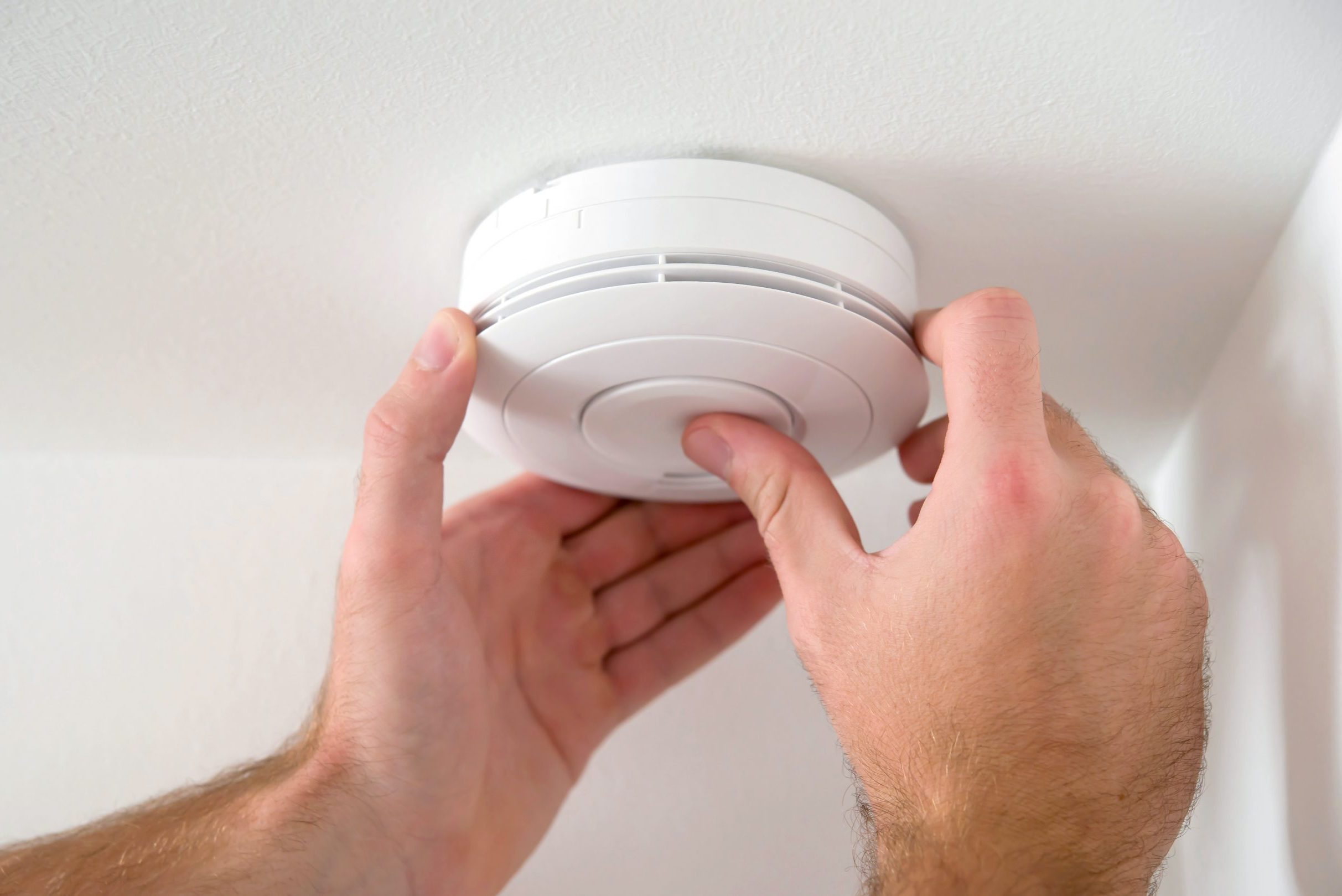
Fire safety has always been a critical responsibility for businesses, landlords and property managers, but in 2026, more organisations across the South East are taking proactive steps to modernise and improve their fire alarm systems. From offices and warehouses to schools, retail units and residential developments, the demand for reliable and fully compliant fire detection systems continues to grow.
Older fire alarm systems can quickly become unreliable, difficult to maintain and unsuitable for modern buildings. At the same time, businesses are facing greater expectations when it comes to protecting staff, visitors, customers and property. This is leading many companies to invest in upgraded fire alarm solutions that offer improved performance, quicker response times and greater peace of mind.
At Artius Fire Protection, businesses throughout the South East are supported with professional fire alarm installation, servicing and maintenance solutions designed to keep properties compliant and protected.
Why Fire Alarm Systems Matter More Than Ever
A fire alarm system is often the first line of defence in an emergency. Early detection can save lives, minimise property damage and reduce disruption to businesses. In many commercial buildings, having a properly maintained fire alarm system is also a legal requirement.
Modern fire alarm systems do far more than simply sound an alarm. Today’s systems can:
- Detect smoke and heat more accurately
- Pinpoint the exact location of a fire
- Integrate with emergency lighting and access control systems
- Notify monitoring centres automatically
- Reduce false alarms
- Improve evacuation procedures
For businesses operating busy premises in the South East, these features can make a significant difference during an emergency situation.
The Growing Focus on Fire Safety Compliance
One of the biggest reasons businesses are upgrading their fire alarm systems is to remain compliant with current fire safety regulations. Fire safety legislation continues to evolve, particularly following increased scrutiny around building safety standards across the UK.
Property owners and employers have a duty to ensure that fire detection systems are suitable for the building and regularly maintained. Failing to meet these responsibilities can lead to serious consequences, including fines, enforcement action and reputational damage.
Many older systems no longer meet the needs of modern buildings or current British Standards. Upgrading to a newer system allows businesses to demonstrate that they are taking fire safety seriously while helping reduce long-term risks.
Common Problems with Older Fire Alarm Systems
Businesses across the South East are often discovering that older fire alarm systems are becoming increasingly problematic. Common issues include:
Frequent False Alarms
False alarms are not only disruptive but can also create complacency among staff and occupants. Older systems are often more prone to incorrect activations due to outdated sensors or poor system design.
Difficulty Finding Replacement Parts
Some older systems use components that are no longer manufactured. This can make repairs slow and expensive.
Poor Coverage
Buildings often change over time. Extensions, refurbishments or layout changes may leave older fire alarm systems unable to provide adequate coverage.
Lack of Integration
Modern commercial properties often require fire alarm systems to work alongside other safety systems such as sprinklers, smoke vents and access control.
Higher Maintenance Costs
Outdated systems can require more frequent repairs and servicing, making them costly to maintain over time.
Upgrading to a newer solution can help eliminate many of these problems while improving reliability and efficiency.
The Benefits of Modern Fire Alarm Technology
Businesses upgrading their fire alarm systems in 2026 are benefiting from significant improvements in technology.
Faster Fire Detection
Advanced smoke and heat detectors can identify fires more quickly, helping reduce the spread of smoke and flames.
Improved System Monitoring
Many modern systems allow remote monitoring and diagnostics, enabling faults to be identified and resolved faster.
Greater Flexibility
Wireless fire alarm systems are becoming increasingly popular, especially in buildings where cabling may be difficult or disruptive to install.
Better Protection for Larger Buildings
Addressable fire alarm systems can identify the precise location of a triggered detector, making emergency response faster and more effective.
Scalability
Modern systems can be expanded more easily as businesses grow or buildings change.
Supporting Businesses Across the South East
The South East contains a wide variety of commercial properties, including offices, retail centres, industrial facilities, hospitality venues, schools and apartment developments. Each building presents different fire safety challenges.
Businesses are increasingly looking for tailored fire protection solutions rather than relying on outdated one-size-fits-all systems. A professional fire protection company can assess the property, identify risks and recommend the most suitable fire alarm system for the building’s size, layout and usage.
Artius Fire Protection works with businesses across the South East to provide fire alarm installation, servicing and maintenance solutions designed around the specific needs of each property.
Fire Alarm Maintenance Remains Essential
Installing a modern fire alarm system is only part of the process. Ongoing maintenance and servicing are essential to ensure systems continue to operate correctly.
Regular maintenance can help identify issues before they become serious problems and ensures that detectors, sounders and control panels remain fully operational.
Professional maintenance services can also help businesses maintain compliance records and demonstrate that fire safety systems are being properly managed.
Why 2026 Is the Right Time to Upgrade
Many businesses delayed improvement works in previous years due to economic uncertainty or operational pressures. However, 2026 is seeing renewed investment in property safety and infrastructure.
Insurance companies are also paying closer attention to fire protection measures, and modern fire alarm systems can sometimes help businesses demonstrate reduced risk.
With advances in technology making systems more efficient and flexible than ever before, many organisations now view upgrading their fire alarm system as a long-term investment rather than simply a compliance exercise.
Choosing the Right Fire Protection Partner
When upgrading a fire alarm system, choosing the right company is essential. Businesses should look for experienced professionals who understand current regulations and can provide ongoing support after installation.
A reliable fire protection company will:
- Carry out detailed site assessments
- Recommend suitable systems
- Install equipment professionally
- Provide regular maintenance and servicing
- Support compliance requirements
- Respond quickly to faults and emergencies
This helps ensure businesses remain protected both now and in the future.
Protecting South East Businesses for the Future
As fire safety expectations continue to rise, businesses across the South East are recognising the importance of investing in reliable, modern fire alarm systems. Improved detection technology, better integration and stronger compliance support are helping organisations create safer environments for staff, customers and visitors.
Whether upgrading an outdated system or installing fire alarms in a new development, working with experienced specialists can make all the difference.
Artius Fire Protection provides professional fire alarm and fire protection services throughout the South East, helping businesses protect their people, properties and operations with confidence.


