
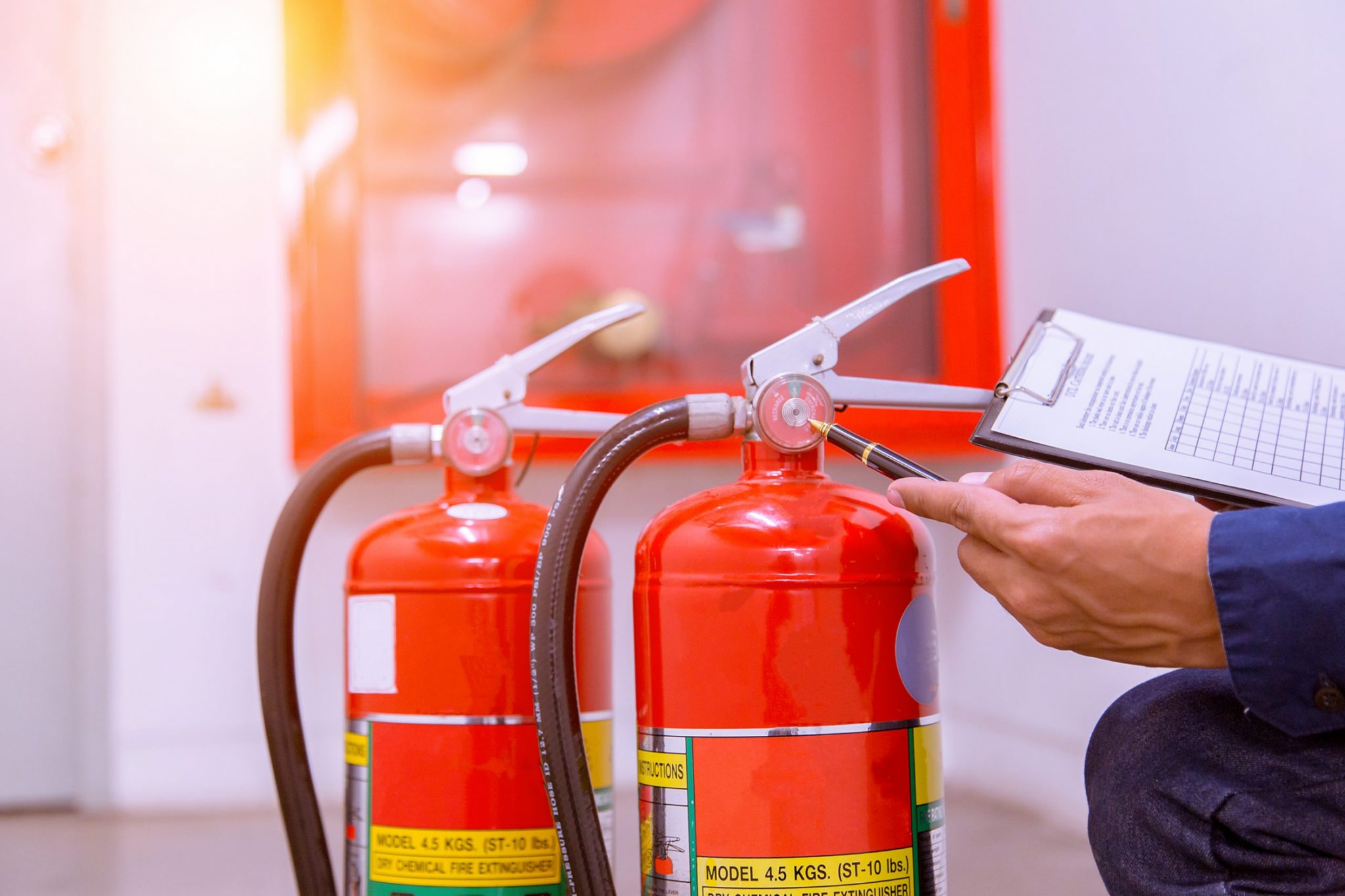
Fire safety is a legal and moral responsibility for anyone who manages or controls a building. In the UK, fire safety regulations place clear duties on what is known as the “responsible person” to ensure that appropriate measures are in place to protect occupants from fire risks.
One of the most important steps in fulfilling this duty is carrying out a fire risk assessment. This process helps identify potential hazards, evaluate existing safety measures, and determine what improvements may be needed to reduce the risk of fire.
Whether you manage a commercial property, a residential block, an office, or an industrial facility, understanding fire risk assessments is essential for maintaining a safe environment and complying with legal obligations.
What Is a Fire Risk Assessment?
A fire risk assessment is a systematic review of a building and its activities to identify potential fire hazards and evaluate the likelihood of a fire occurring.
The assessment also examines how a fire might affect people within the building and what precautions are in place to prevent or control it.
The aim is to:
-
Identify fire hazards
-
Determine who may be at risk
-
Evaluate existing fire safety measures
-
Identify areas where improvements may be needed
-
Create an action plan to reduce fire risks
A well-conducted fire risk assessment forms the foundation of an effective fire safety strategy.
Who Is the “Responsible Person”?
Under UK fire safety legislation, every non-domestic property must have a designated responsible person.
This individual is responsible for ensuring that fire safety measures are properly implemented and maintained. Depending on the type of property, the responsible person may be:
-
A business owner
-
An employer
-
A building manager
-
A landlord
-
A managing agent
-
A facilities manager
The responsible person must ensure that a fire risk assessment is carried out and kept up to date.
Why Fire Risk Assessments Are Essential
Fire risk assessments are not simply a legal formality. They play a crucial role in protecting lives and preventing serious incidents.
Without a proper assessment, fire hazards may go unnoticed, escape routes may be compromised, or safety systems may not provide adequate protection.
A thorough fire risk assessment helps to:
-
Reduce the likelihood of fire incidents
-
Improve emergency preparedness
-
Protect building occupants
-
Safeguard valuable assets
-
Ensure compliance with fire safety regulations
Taking fire risk assessments seriously can significantly reduce the potential impact of a fire.
Key Areas Examined During a Fire Risk Assessment
A professional fire risk assessment involves a detailed review of multiple aspects of a building and its operations.
Fire Hazards
Assessors will identify potential ignition sources, fuel sources, and oxygen supplies that could contribute to a fire.
Examples include:
-
Electrical equipment
-
Heating systems
-
Cooking appliances
-
Flammable liquids or materials
-
Waste accumulation
Understanding where fire hazards exist is the first step in reducing risk.
People at Risk
The assessment also considers who may be at risk if a fire occurs.
This includes:
-
Employees
-
Customers
-
Residents
-
Contractors
-
Visitors
-
People with mobility or accessibility needs
Buildings with vulnerable occupants may require additional safety measures.
Fire Detection and Warning Systems
Early detection is vital for safe evacuation. Assessors will examine whether fire alarms, smoke detectors, and alert systems are suitable for the building.
They will also check that alarms are positioned correctly and maintained regularly.
Firefighting Equipment
Fire extinguishers and other firefighting equipment are reviewed to ensure they are appropriate for the risks present.
The assessment considers:
-
Correct types of extinguishers
-
Proper placement
-
Clear signage
-
Accessibility for building occupants
Escape Routes and Emergency Exits
Safe evacuation is a key priority in fire safety planning.
Assessors will examine:
-
Escape route layouts
-
Emergency lighting
-
Exit signage
-
Door access and functionality
-
Stairways and corridors
Escape routes must remain clear and usable at all times.
Fire Containment Measures
Passive fire protection features such as fire doors, compartmentation, and fire stopping help prevent the spread of fire and smoke.
During the assessment, these features are inspected to ensure they are properly installed and maintained.
What Happens After a Fire Risk Assessment?
Once the assessment is complete, a report is typically produced outlining the findings.
This report may include:
-
Identified hazards
-
Observations about existing fire safety measures
-
Recommendations for improvements
-
Priority actions to reduce risk
Some recommendations may require immediate action, while others may involve longer-term improvements.
The responsible person must ensure that these recommendations are addressed appropriately.
How Often Should Fire Risk Assessments Be Reviewed?
Fire risk assessments should not be treated as a one-time exercise. Buildings and operations change over time, and fire safety measures must be updated accordingly.
Reviews may be necessary when:
-
The building layout changes
-
New equipment is installed
-
The number of occupants increases
-
Business activities change
-
Fire safety systems are upgraded
Even without major changes, it is good practice to review fire risk assessments regularly to ensure they remain accurate and effective.
The Benefits of Professional Fire Risk Assessments
While some smaller businesses may carry out their own assessments, many organisations benefit from working with professional fire safety specialists.
Professional assessors bring valuable expertise, helping to identify risks that may otherwise be overlooked.
Their experience allows them to:
-
Provide detailed safety recommendations
-
Ensure compliance with current fire safety regulations
-
Evaluate both active and passive fire protection systems
-
Identify practical solutions for improving safety
Professional assessments can provide peace of mind that fire safety measures are robust and effective.
Building a Safer Environment Through Fire Risk Assessments
Fire risk assessments are the foundation of responsible fire safety management. They help organisations understand potential risks, implement effective precautions, and maintain safe environments for everyone who uses a building.
For businesses and property managers, prioritising fire risk assessments is not just about compliance—it is about protecting people, property, and livelihoods.
By regularly reviewing fire risks and implementing appropriate safety measures, responsible persons can significantly reduce the likelihood and impact of fire incidents.
A proactive approach to fire safety, supported by thorough fire risk assessments and well-maintained protection systems, is one of the most effective ways to ensure that buildings remain safe and compliant for years to come.


